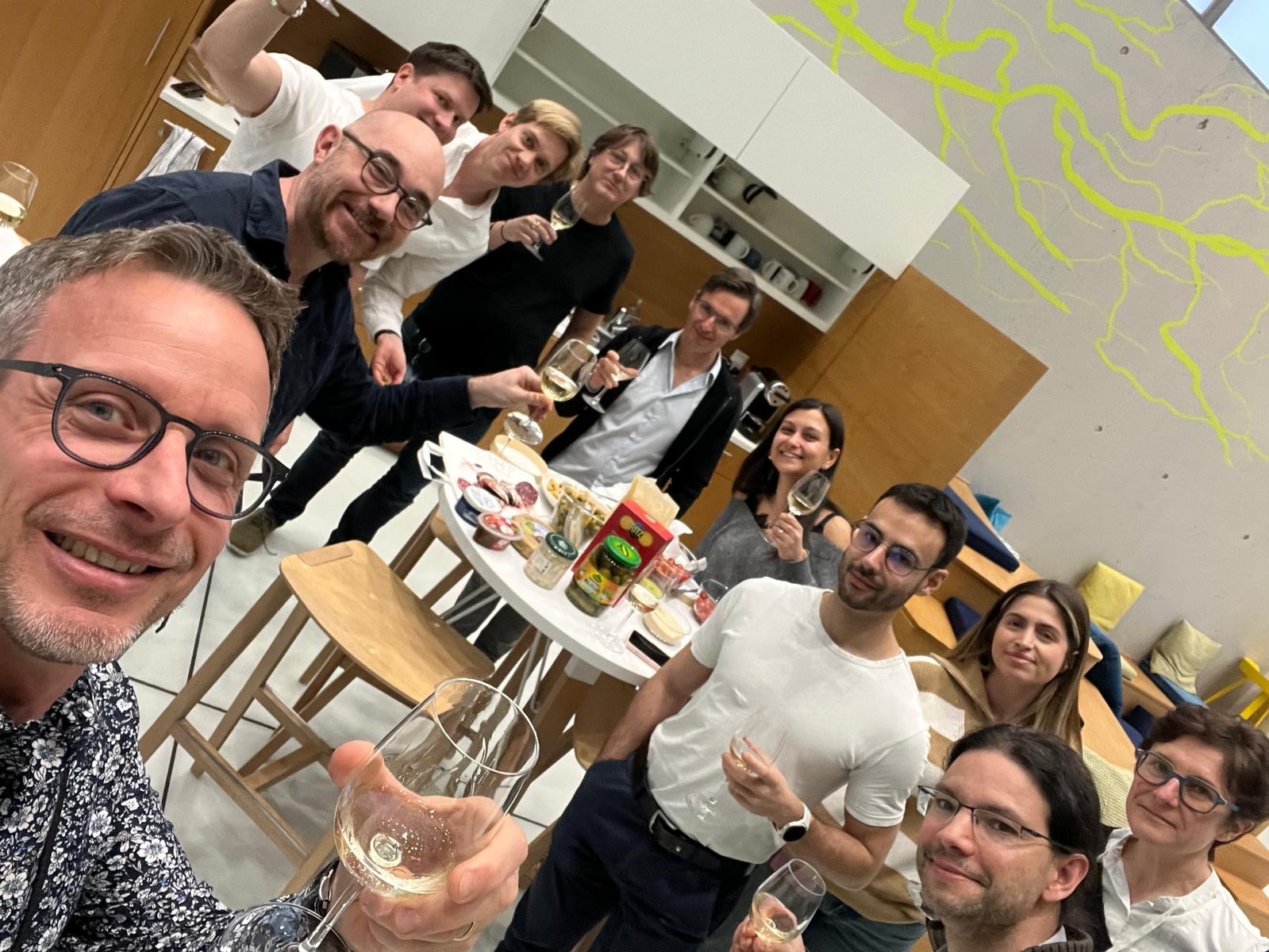
On a mission to restore communication
We are developing a fully implantable brain-computer interface that decodes neural signals into natural speech, giving a voice back to those who have lost it.
Our Mission
To develop and deliver a fully implantable brain-computer interface that restores natural speech for patients who have lost the ability to communicate, enabling them to reconnect with their loved ones and the world.
Our Vision
A world where neurological conditions no longer silence the human voice. We envision speech neuroprostheses as a standard of care — safe, reliable, and accessible to every patient who needs one.
Why ABILITY
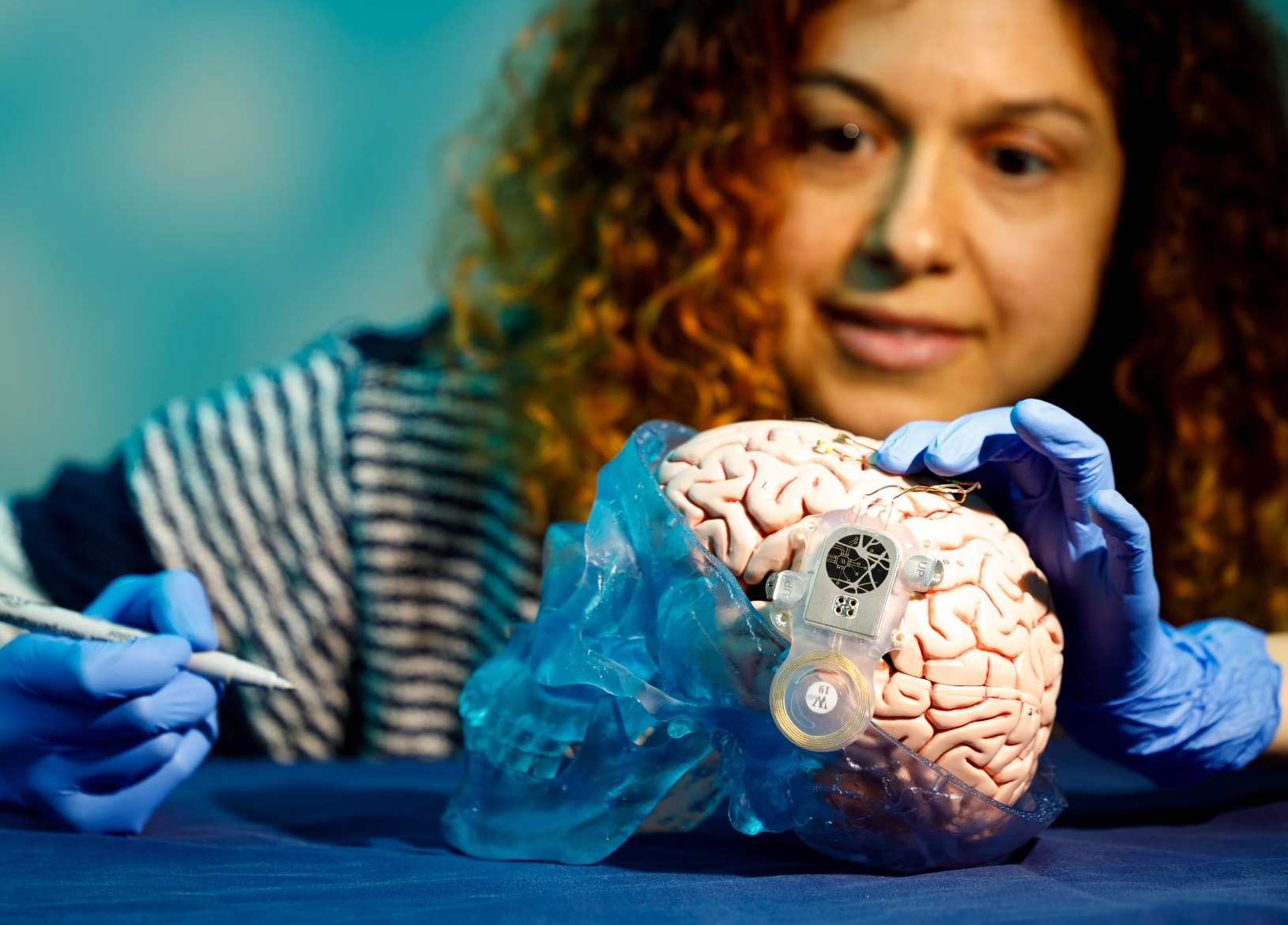
Fully Implantable
No external hardware or percutaneous connections. Our device is entirely implanted, reducing infection risk and enabling seamless daily use.
ECoG-Based
Electrocorticography provides high-resolution neural recordings with proven long-term stability — the ideal balance between signal quality and safety.
End-to-End Solution
From electrode design to speech synthesis, we control the entire pipeline — enabling tight optimization across hardware, firmware, and AI.
Natural Speech
Our goal is to restore fluent, natural-sounding speech — not letter-by-letter typing, but real-time conversation at the speed of thought.
Our Journey
The vision is born
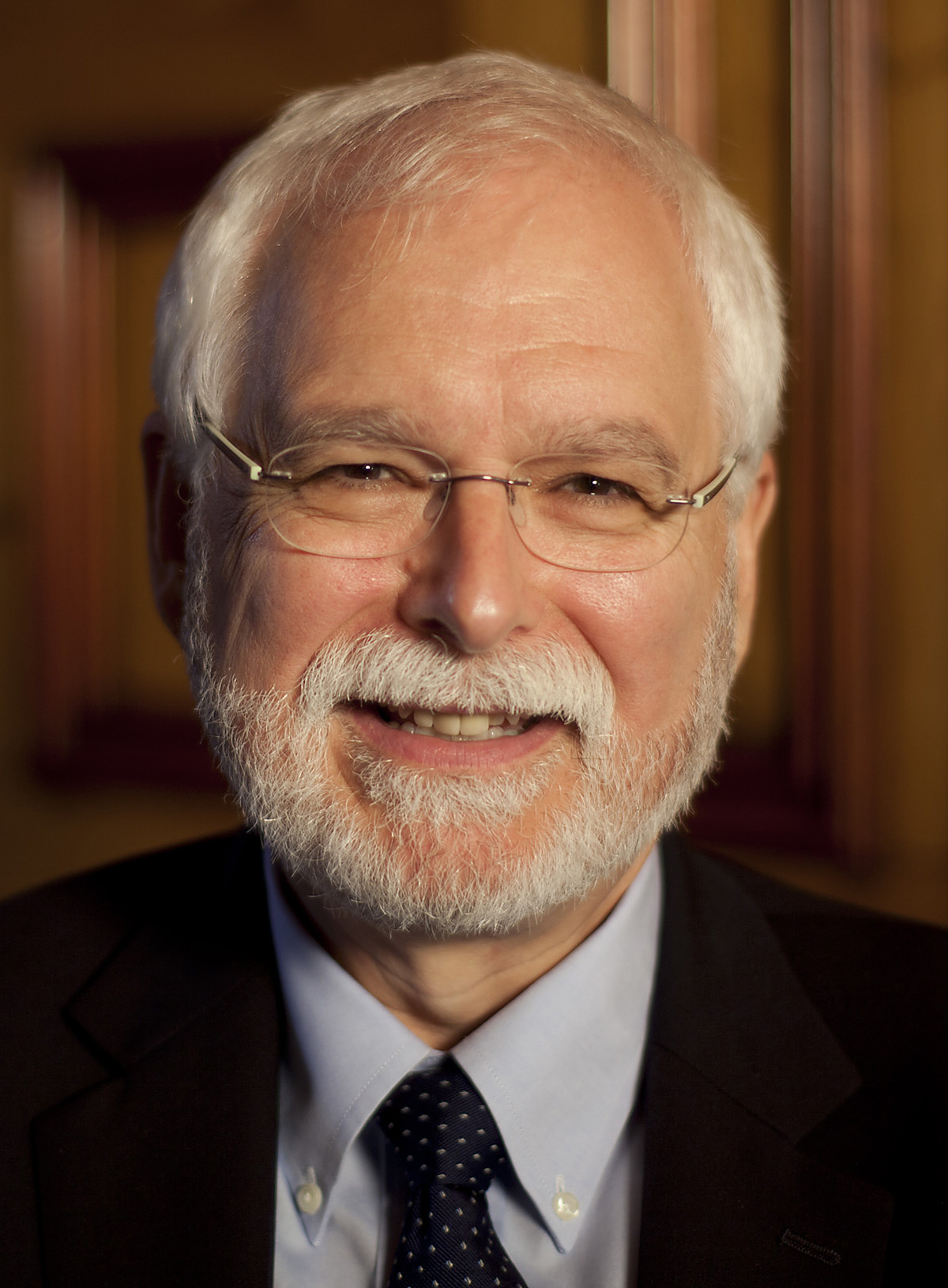
Professor John Donoghue, widely regarded as the father of brain-computer interfaces and founding director of the Wyss Center for Bio and Neuroengineering in Geneva, conceives the idea of a fully implantable speech neuroprosthesis.
His vision: a device that could decode neural signals directly into natural speech, giving a voice back to patients silenced by neurological conditions.
Proving the impossible
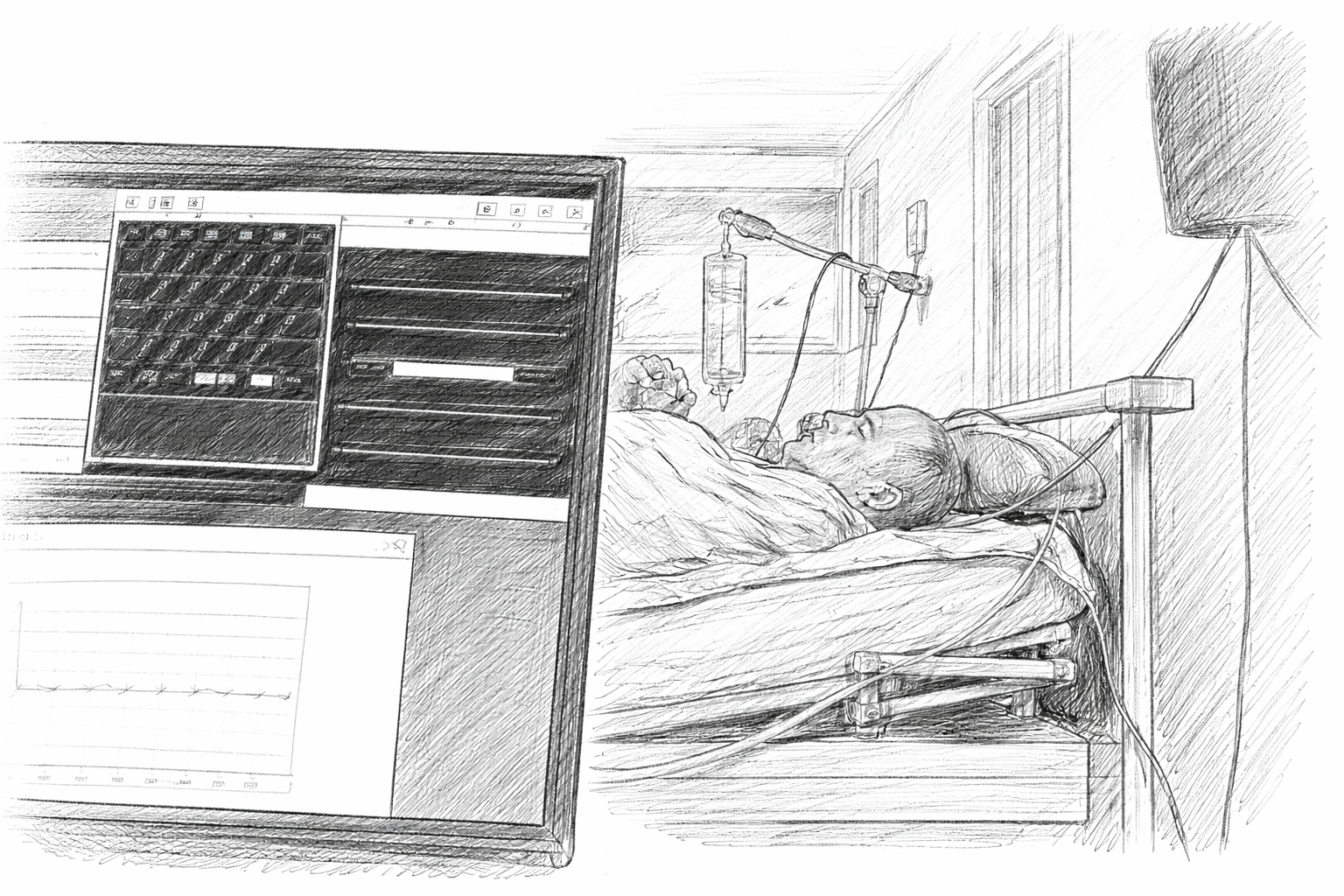
In a landmark clinical case study, Wyss Center scientists (now ABILITY) worked with a fully paralysed person living with amyotrophic lateral sclerosis (ALS). Using implanted electrodes, the patient was able to communicate by modulating his neural activity to produce yes/no responses for more than two years in a home set-up.
These efforts demonstrated the remarkable potential of chronic brain-computer interfaces to restore lost function in complete locked-in state. Published in Nature Communications.
Pioneering research at the Wyss Center
Under the umbrella of the Wyss Center, the project grows into a world-class research programme. A multidisciplinary team develops the core technology — from implantable electronics and optical data links to advanced neural decoding algorithms.
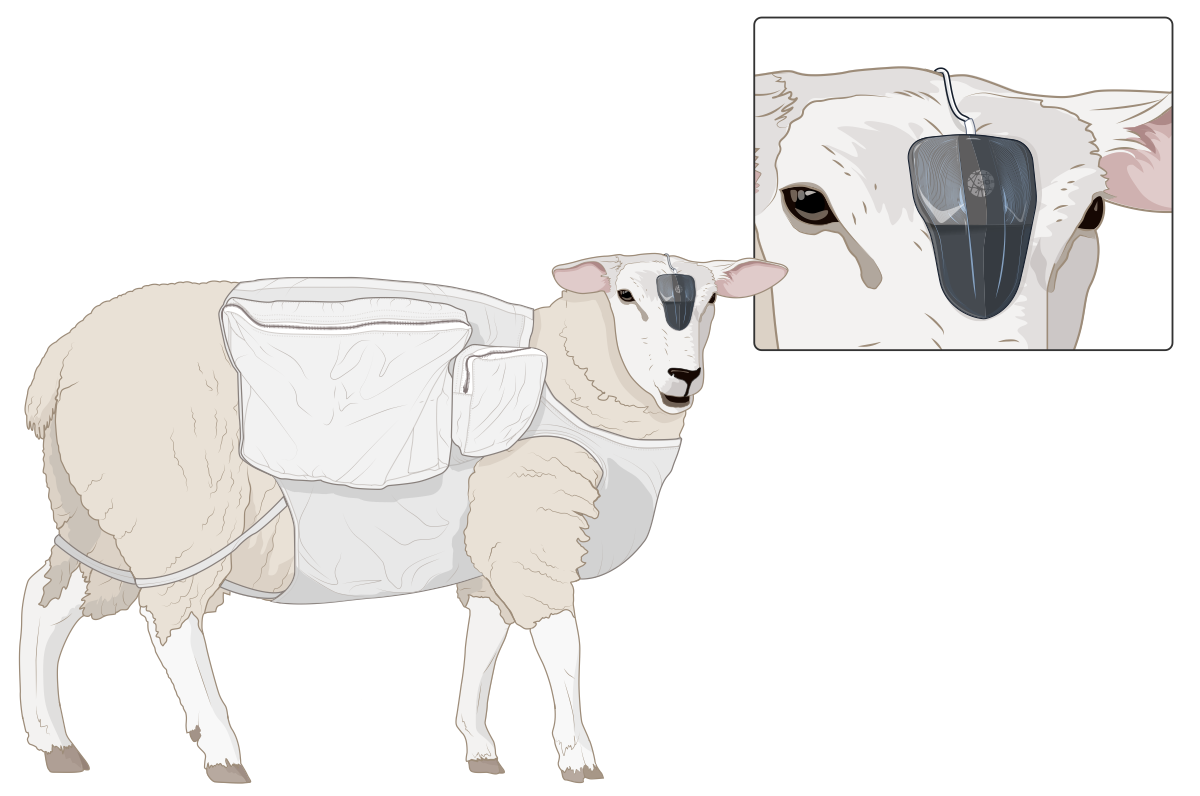
The programme achieves major milestones, including several pre-clinical trials in sheep and monkey models that validate the safety and performance of the device.
ABILITY Neurotech is born
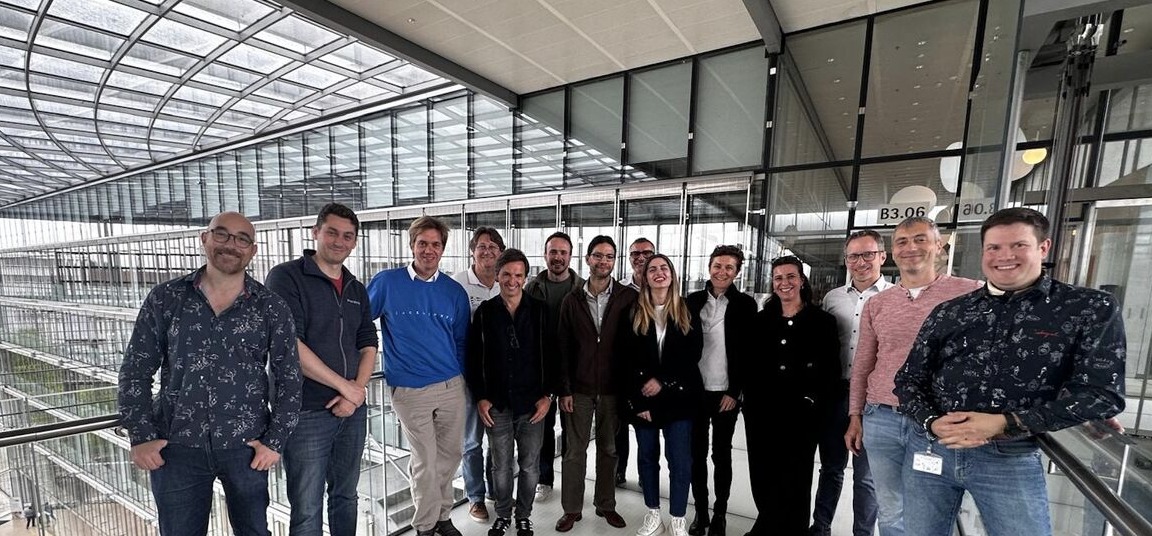
The project spins out from the Wyss Center as ABILITY Neurotech — an independent company with a clear mission: to bring a fully implantable brain-computer interface to market that restores communication.
Based at Campus Biotech in Geneva, the founding team brings together deep expertise in neuroscience, medical device engineering, machine learning, quality, and regulatory affairs.
First-in-Human technical file submitted
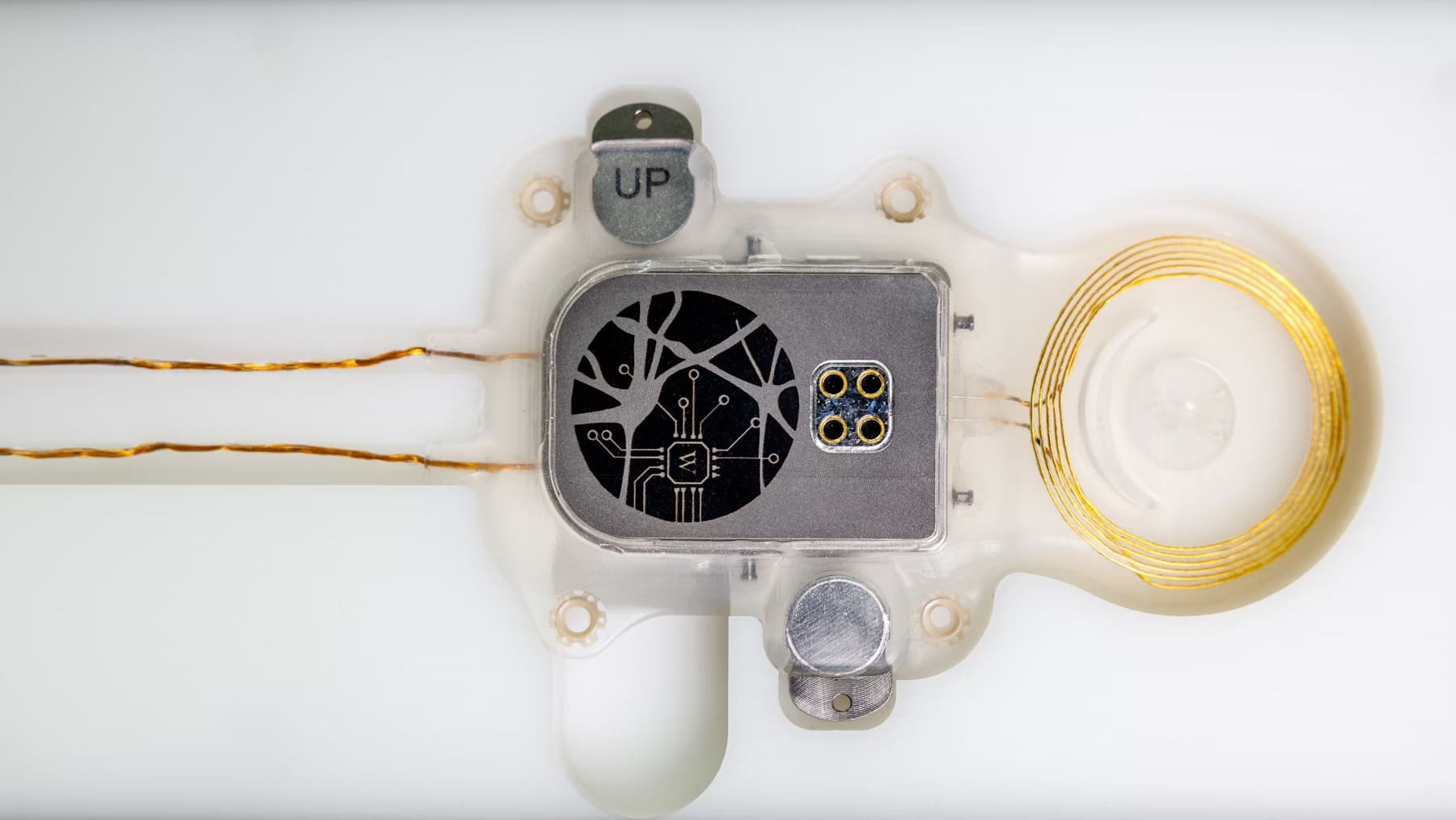
After completing a rigorous verification campaign, ABILITY submits its Investigational Medical Device Dossier (IMDD) technical file, marking a decisive step toward clinical trials.
In parallel, ABILITY submits a Breakthrough Device Designation (BDD) request to the U.S. FDA.
Next stop: First-in-Human
ABILITY is preparing for its First-in-Human (FIH) clinical trial, within the INTRECOM project — a European collaborative initiative.
The trial will be carried out in collaboration with TU Graz (Austria) and UMC Utrecht (Netherlands), who will serve as clinical sponsors.